The introduction of red cards in English football marked a turning point
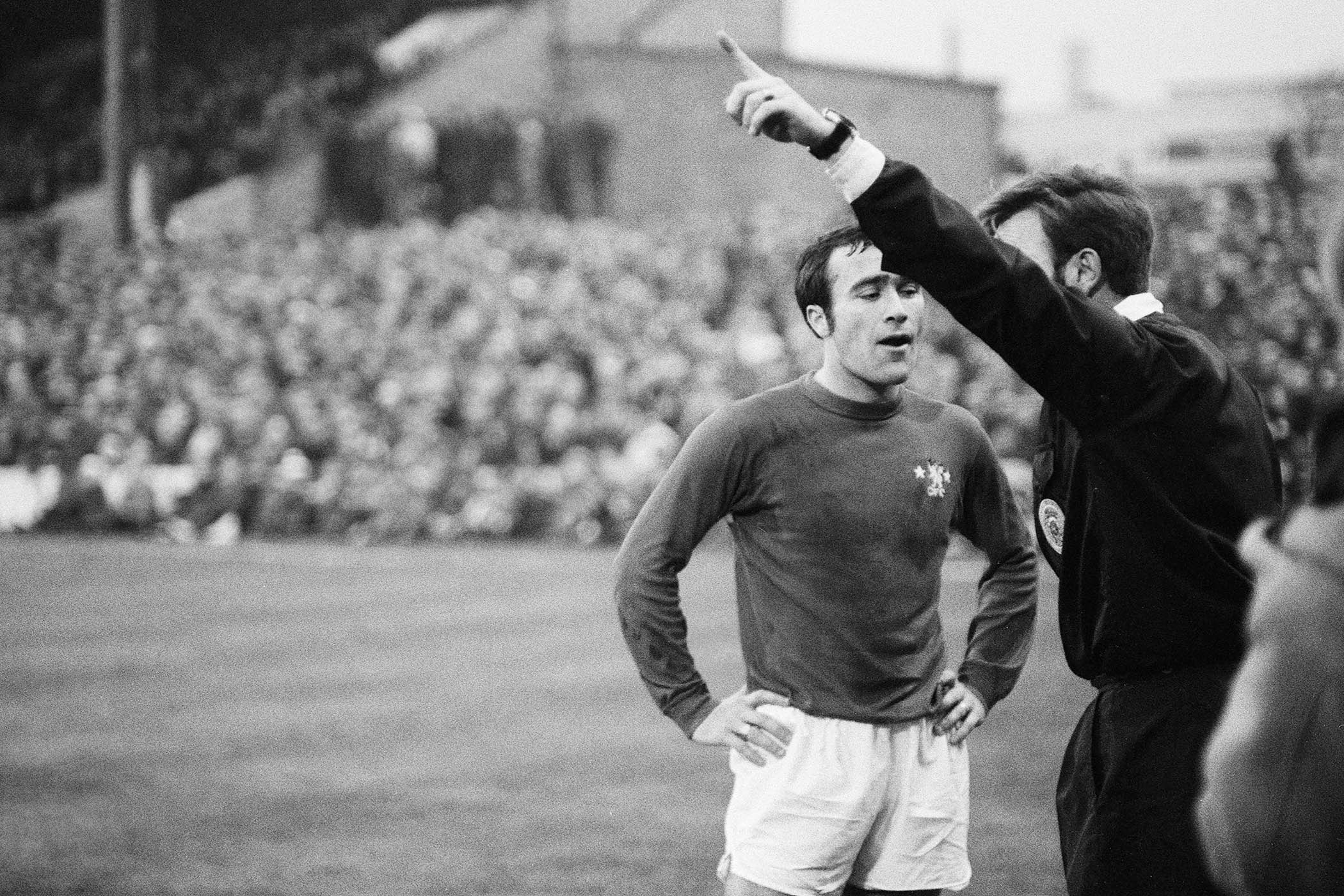
Les Burden was a referee who, in his later roles as mayor of Poole and local councillor, embraced the motto “action, not words”. It was fitting that 50 years ago this week he became the first official in English football to show a red card to a player instead of merely informing the offender that they needed to leave the pitch.
On 2 October 1976, English football adopted yellow and red cards, following the example of its European counterparts, to eliminate confusion for players and spectators regarding bookings and dismissals. These cards had first been introduced at the 1970 World Cup, but it took some persuasion for the Football League to implement them.
Burden officiated Orient’s Second Division match against Blackburn Rovers on the inaugural day of this new system, issuing a booking to Blackburn’s Dave Wagstaffe in the 36th minute. When Wagstaffe protested the decision, the punishment escalated, making him the first player to receive a red card.
Wagstaffe, whose team managed to win 1-0 despite the setback, may have felt some relief that his unwanted place in history was somewhat overshadowed by another sending-off that day in the second tier. George Best, already incensed by a free-kick awarded to Southampton against his Fulham side, intensified his complaints after the Saints scored from the set-piece, leading referee Lester Shapter to dismiss him for “foul and abusive language”. Best had previously been sent off twice each while playing for Manchester United and Northern Ireland.
If Best’s Fulham teammate Bobby Moore was daunted by the sight of the red card, it did not deter him from his behaviour. Just three days later, the former England captain was sent off for arguing with a referee when Bolton Wanderers equalised after a controversially long stoppage time in a League Cup match.
The concept of coloured cards is attributed to Ken Aston, an Englishman who managed refereeing at several World Cups, including the 1966 tournament. During that event, the dismissal of Argentina captain Antonio Rattín in their quarter-final loss to England left spectators uncertain about what had transpired and whether the player had indeed been sent off. Inspired by traffic lights, Aston believed that using red and yellow cards would eliminate confusion and transcend language barriers.
While the cards provided clarity, a counter-argument emerged. This was a time of significant hooliganism, with matches often marred by crowd disturbances, and discussions about potential solutions to this issue were prevalent. Some believed that the theatrical display of red and yellow cards heightened tensions among players and stirred passions in the stands. Many referees disagreed, but in January 1981, cards were abolished.
This situation persisted for six years, but Fifa was dissatisfied and urged the Football Association to reinstate cards, which eventually occurred at the beginning of the 1986-87 season.
Source: The Observer